hanchaoyang94@gmail.com
Updated August 7, 2026
14 min read
hanchaoyang94@gmail.com
Updated August 7, 2026
14 min read

There is no single used semi-truck that is perfect for every business.
The most reliable truck depends on how the vehicle will be used.
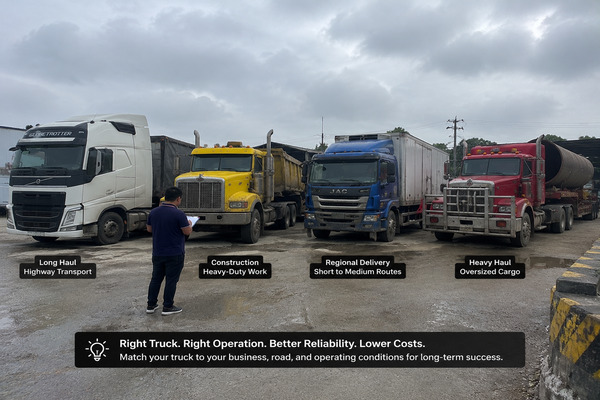
A truck operating on long highway routes has different requirements compared with a truck working in construction, mining, regional delivery, or heavy hauling.
The best used semi-truck is the one that matches the workload, road conditions, climate, and maintenance environment of your operation. Choosing the wrong configuration can reduce reliability even if the truck itself is high quality.
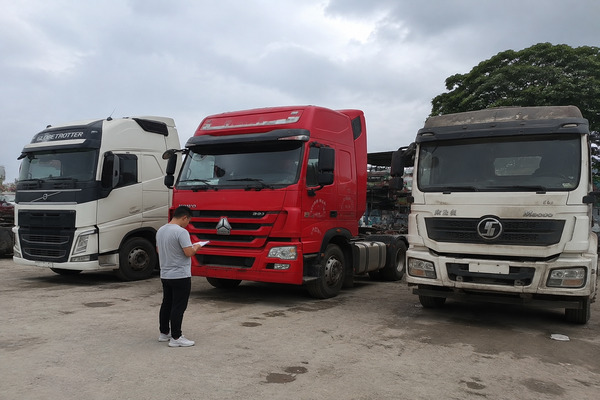
Long-distance trucking requires:
For long-haul operations, buyers usually prioritize tractors with:
A truck that spends thousands of kilometers on highways every month must minimize downtime because every day off the road directly affects revenue.
Heavy-duty operations require different priorities.
Construction, mining, and specialized transportation often demand:
A lightweight highway tractor may not be the best choice for these applications.
The most reliable truck is the one designed for the actual working conditions.
International buyers face additional challenges.
A truck may perform well in its original market but require different considerations after export.
Buyers should consider:
A reliable imported truck is not only mechanically strong. It must also fit the environment where it will operate.
Many used semi-trucks look reliable during a quick inspection.
However, some problems are not visible from the outside.
A clean exterior, fresh paint, and low mileage can create confidence, but they do not guarantee long-term reliability.
The biggest reliability risks in used semi-trucks are hidden mechanical problems, incomplete maintenance history, previous heavy-duty use, and repairs that were delayed or performed incorrectly.
Possible warning signs include:
Engine problems are among the most expensive repairs because they can require rebuilding or replacement.
Transmission failures can quickly eliminate the financial advantage of buying used.
Warning signs include:
A proper road test is essential before purchase.
Modern trucks contain many electronic systems.
Potential issues include:
Electrical issues can be difficult to diagnose without proper equipment.
These problems can affect safety, reliability, and resale value.
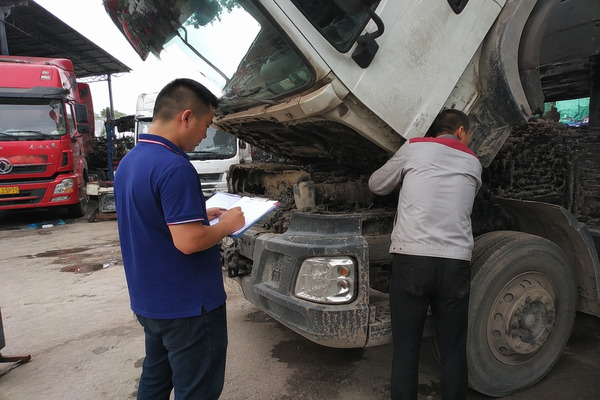
A professional inspection is one of the most important steps in purchasing a reliable used semi-truck.
Many buyers regret focusing only on price and skipping inspection.
The cost of inspection is small compared with the cost of repairing a damaged engine or transmission.
A reliable used semi-truck should be verified through mechanical inspection, operating tests, documentation review, and condition assessment before purchase. Buyers should collect evidence instead of relying only on seller descriptions.
| Inspection Area | Purpose |
|---|---|
| Engine test | Check performance and possible internal problems |
| Transmission test | Verify shifting quality |
| Brake inspection | Confirm safety condition |
| Suspension check | Evaluate wear and operating condition |
| Frame inspection | Identify structural problems |
| Tire condition | Estimate replacement costs |
| Electrical systems | Detect hidden failures |
| Service records | Verify maintenance history |
Before payment, request:
Professional suppliers should provide clear information because transparency reduces purchase risk.
Many buyers compare trucks based on year.
However, age alone does not determine reliability.
A newer truck with poor maintenance can create more problems than an older truck that received regular service.
Maintenance history is often a stronger reliability indicator than vehicle age. A properly maintained used semi-truck can continue operating effectively even when it has more years and mileage.
Maintenance records show whether previous owners:
A truck with documented maintenance gives buyers confidence because future costs are easier to predict.
A truck without history creates uncertainty.
For many international buyers, importing used semi-trucks provides access to better inventory and competitive pricing.
However, reliability after delivery depends on more than the truck itself.
The buyer must consider:
A reliable used semi-truck must be reliable in the buyer’s market, not only in the country where it was originally operated. Successful import purchases require technical evaluation and market preparation before shipment.
Before purchasing internationally, confirm:
According to U.S. Customs and Border Protection vehicle import guidance[^1], imported vehicles may need to meet specific requirements before entering a market.
Different countries have different regulations, so buyers should always confirm requirements before shipment.
The supplier plays an important role in determining purchase success.
A reliable supplier helps customers understand:
A supplier who only focuses on selling the truck may not provide enough information for a confident decision.
The best used semi-truck suppliers provide transparency before the sale, not excuses after delivery. Detailed inspections, accurate descriptions, and technical support are signs of a professional supplier.

A reliable supplier should provide:
The goal is not only purchasing a truck.
The goal is purchasing a truck that can continue creating business value.
There is no universal answer because reliability depends on operating conditions, maintenance support, and market availability. The best choice is usually a truck with proven performance, available parts, and strong local service support.
Yes. Age does not automatically mean poor reliability. A well-maintained older truck can provide excellent value if major components remain in good condition.
Importing can be a good option when buyers verify regulations, documentation, and supplier reliability. Proper inspection before shipment is essential.
Reduce risk by:
There is no single used semi-truck that is perfect for every business.
The most reliable truck depends on how the vehicle will be used.
A truck operating on long highway routes has different requirements compared with a truck working in construction, mining, regional delivery, or heavy hauling.
The best used semi-truck is the one that matches the workload, road conditions, climate, and maintenance environment of your operation. Choosing the wrong configuration can reduce reliability even if the truck itself is high quality.
A professional inspection is one of the most important steps in purchasing a reliable used semi-truck.
Many buyers regret focusing only on price and skipping inspection.
The cost of inspection is small compared with the cost of repairing a damaged engine or transmission.
A reliable used semi-truck should be verified through mechanical inspection, operating tests, documentation review, and condition assessment before purchase. Buyers should collect evidence instead of relying only on seller descriptions.
| Inspection Area | Purpose |
|---|---|
| Engine test | Check performance and possible internal problems |
| Transmission test | Verify shifting quality |
| Brake inspection | Confirm safety condition |
| Suspension check | Evaluate wear and operating condition |
| Frame inspection | Identify structural problems |
| Tire condition | Estimate replacement costs |
| Electrical systems | Detect hidden failures |
| Service records | Verify maintenance history |
Before payment, request:
Professional suppliers should provide clear information because transparency reduces purchase risk.
Many buyers compare trucks based on year.
However, age alone does not determine reliability.
A newer truck with poor maintenance can create more problems than an older truck that received regular service.
Maintenance history is often a stronger reliability indicator than vehicle age. A properly maintained used semi-truck can continue operating effectively even when it has more years and mileage.
Maintenance records show whether previous owners:
A truck with documented maintenance gives buyers confidence because future costs are easier to predict.
A truck without history creates uncertainty.
For many international buyers, importing used semi-trucks provides access to better inventory and competitive pricing.
However, reliability after delivery depends on more than the truck itself.
The buyer must consider:
A reliable used semi-truck must be reliable in the buyer’s market, not only in the country where it was originally operated. Successful import purchases require technical evaluation and market preparation before shipment.
Before purchasing internationally, confirm:
According to U.S. Customs and Border Protection vehicle import guidance[^1], imported vehicles may need to meet specific requirements before entering a market.
Different countries have different regulations, so buyers should always confirm requirements before shipment.
Reliability is created by many factors working together.
A truck with a strong engine but poor maintenance history may create more problems than a properly maintained vehicle with higher mileage.
Experienced fleet operators evaluate reliability through several areas:
When evaluating a used semi-truck, buyers should focus on:
The engine is the heart of the truck.
A reliable engine should provide:
A truck with a strong engine history can often continue working for many years with proper maintenance.
However, an engine with hidden internal problems can turn a low-cost purchase into a major financial loss.
Many buyers pay attention only to engine condition and overlook the transmission.
This can create expensive problems later.
Transmission repairs can be extremely costly because they often require:
A reliable used semi-truck should have smooth shifting performance and no unusual vibration or noise.
Mileage is one of the most common concerns among used truck buyers.
Many people assume:
Lower mileage = better truck
But this is not always true.
A truck's history matters more than the number displayed on the dashboard.
A high-mileage used semi-truck with excellent maintenance can be more reliable than a low-mileage truck with poor service history. Mileage should be evaluated together with mechanical condition, operating environment, and maintenance records.
Buyers should ask:
A highway truck with high mileage may experience less stress than a lower-mileage truck used in construction or heavy-load applications.
Mileage provides information.
It does not provide the complete answer.
There is no single used semi-truck that is perfect for every business.
The most reliable truck depends on how the vehicle will be used.
A truck operating on long highway routes has different requirements compared with a truck working in construction, mining, regional delivery, or heavy hauling.
For long-haul operations, buyers usually prioritize tractors with:
A truck that spends thousands of kilometers on highways every month must minimize downtime because every day off the road directly affects revenue.
Heavy-duty operations require different priorities.
Construction, mining, and specialized transportation often demand:
A lightweight highway tractor may not be the best choice for these applications.
The most reliable truck is the one designed for the actual working conditions.
| Inspection Area | Purpose |
|---|---|
| Engine test | Check performance and possible internal problems |
| Transmission test | Verify shifting quality |
| Brake inspection | Confirm safety condition |
| Suspension check | Evaluate wear and operating condition |
| Frame inspection | Identify structural problems |
| Tire condition | Estimate replacement costs |
| Electrical systems | Detect hidden failures |
| Service records | Verify maintenance history |
Before payment, request:
Professional suppliers should provide clear information because transparency reduces purchase risk.
For many international buyers, importing used semi-trucks provides access to better inventory and competitive pricing.
However, reliability after delivery depends on more than the truck itself.
The buyer must consider:
A reliable used semi-truck must be reliable in the buyer’s market, not only in the country where it was originally operated. Successful import purchases require technical evaluation and market preparation before shipment.

Before purchasing internationally, confirm:
According to U.S. Customs and Border Protection vehicle import guidance[^1], imported vehicles may need to meet specific requirements before entering a market.
Different countries have different regulations, so buyers should always confirm requirements before shipment.
So, what is the most reliable used semi-truck to buy?
The answer depends on your business.
There is no single truck that is perfect for every fleet owner. The most reliable used semi-truck is the one that matches your operation, has a proven maintenance history, and can be supported in your local market.
A successful purchase requires more than choosing a famous brand.
It requires understanding:
At Deli Auto, we help customers evaluate used semi-trucks through inspection, technical assessment, refurbishment, and export preparation.
Our goal is not only to provide trucks.
Our goal is to help customers purchase reliable commercial vehicles that continue working after delivery.
If you are searching for reliable used semi-trucks or truck parts for your fleet, contact Deli Auto to discuss your requirements.
Tell us your requirements — brand, horsepower, year and quantity — and we'll match the right option for you.