hanchaoyang94@gmail.com
12 min read
hanchaoyang94@gmail.com
12 min read
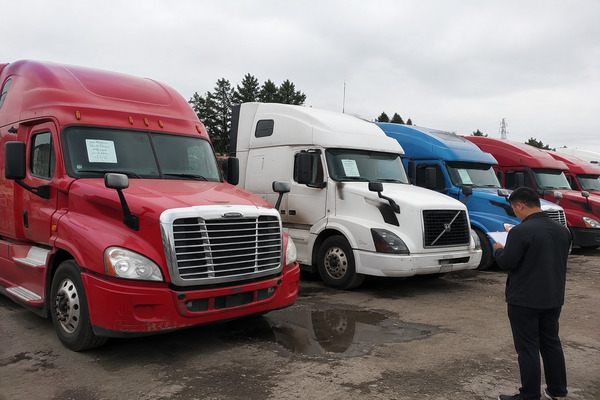
Buying a used semi-truck is a major financial decision for fleet owners, transport companies, and commercial vehicle buyers. The lower purchase price can create a significant opportunity — but only if the truck delivers reliable performance after entering service.
Many buyers focus on one simple question: "How much can I save compared with buying new?" However, the more important question is: "Will this truck continue making money after I purchase it?"
Get the decision right, and a used semi-truck can become a profitable working asset with years of service remaining. Get it wrong, and you may face engine failures, unexpected downtime, expensive repairs, and a vehicle that cannot meet your local operating requirements.
This guide explains when buying a used semi-truck is worth the investment, what risks buyers should evaluate, and how experienced fleet operators make better purchasing decisions.
A used semi-truck is worth buying when the vehicle’s mechanical condition is verified, its configuration matches your transportation requirements, and the total ownership cost remains profitable. A low purchase price alone does not create value — uptime, reliability, and operating efficiency determine whether a truck becomes an asset or a financial burden.
Before comparing brands, model years, or prices, buyers need to understand one fundamental point: purchasing a used semi-truck is not only a vehicle transaction. It is a business investment decision.
Many first-time buyers make the same mistake. They choose the cheapest available truck, then discover after delivery that repair costs, unavailable parts, or local regulations make the vehicle difficult to operate profitably.
The sections below explain the factors that determine whether a used semi-truck is truly worth buying.
The biggest reason companies consider used semi-trucks is the lower acquisition cost. A used truck can often provide similar working capability at a fraction of the price of a new vehicle.
However, the purchase price difference is only the beginning of the calculation.
A new truck provides warranty protection, newer technology, and predictable early maintenance costs. A used truck provides lower investment pressure and faster access to additional fleet capacity.
Yes, buying a used semi-truck can be a smart decision for many businesses. It is especially valuable for companies that need to expand their fleet, enter new markets, or control capital expenses. However, the savings only exist when the remaining service life of the truck is greater than the cost of repairs and maintenance required to keep it operating.
A used semi-truck is usually worth buying when the following conditions are met:
A common mistake among buyers is comparing only the initial price.
For example:
Truck A:
Truck B:
Although Truck A appears cheaper, Truck B may create more profit because it spends more time working.
The answer is no.
The used truck market contains excellent opportunities, but it also contains vehicles that appear attractive because problems are hidden.
A fresh paint job, low mileage number, and clean interior can create confidence — but these factors do not prove mechanical reliability.
The cheapest used semi-truck is often not the most economical choice. Buyers should evaluate the truck’s condition, maintenance history, repair requirements, and future operating costs before deciding whether the price represents real value.
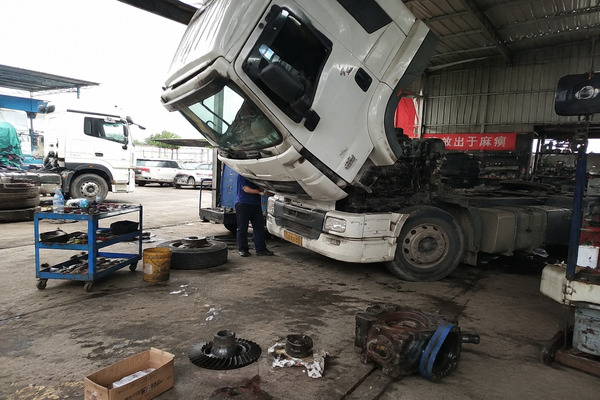
The most common hidden problems include:
A used truck is not automatically risky. The risk comes from buying without enough information.
Experienced buyers do not ask only:
"How cheap is this truck?"
They ask:
"What evidence proves this truck can continue working?"
Mileage is one of the first questions buyers ask when evaluating a used semi-truck.
However, mileage alone does not tell the complete story.
A truck with higher mileage but excellent maintenance can outperform a lower-mileage truck that has been overloaded, poorly serviced, or operated in harsh conditions.
Mileage is an indicator, not a final decision factor. The real value of a used semi-truck depends on the relationship between mileage, maintenance history, operating environment, and current mechanical condition.
Professional buyers evaluate:
| Inspection Item | What It Reveals |
|---|---|
| Engine cold start | Starting performance, smoke condition, abnormal sounds |
| Oil condition | Possible internal wear or maintenance problems |
| Blow-by level | Engine cylinder and piston condition |
| Transmission operation | Gear shifting quality and internal wear |
| Chassis inspection | Structural condition and previous repairs |
| Cabin wear | Whether mileage matches actual usage |
| Service records | Maintenance history verification |
For example, a long-haul truck with 700,000 km and complete maintenance records may be a better purchase than a truck showing 300,000 km with unknown history.
Mileage should support your decision — not make the decision by itself.
Many buyers calculate only the purchase price when evaluating whether a used semi-truck is worth buying.
This is one of the biggest mistakes in commercial vehicle procurement.
A truck does not generate profit because it was purchased cheaply. It generates profit when it can operate consistently, carry loads efficiently, and avoid unexpected repair expenses.
The real cost of a used semi-truck includes more than the purchase price. Inspection, transportation, refurbishment, spare parts availability, fuel consumption, downtime, and local maintenance capability all directly affect the truck’s profitability.
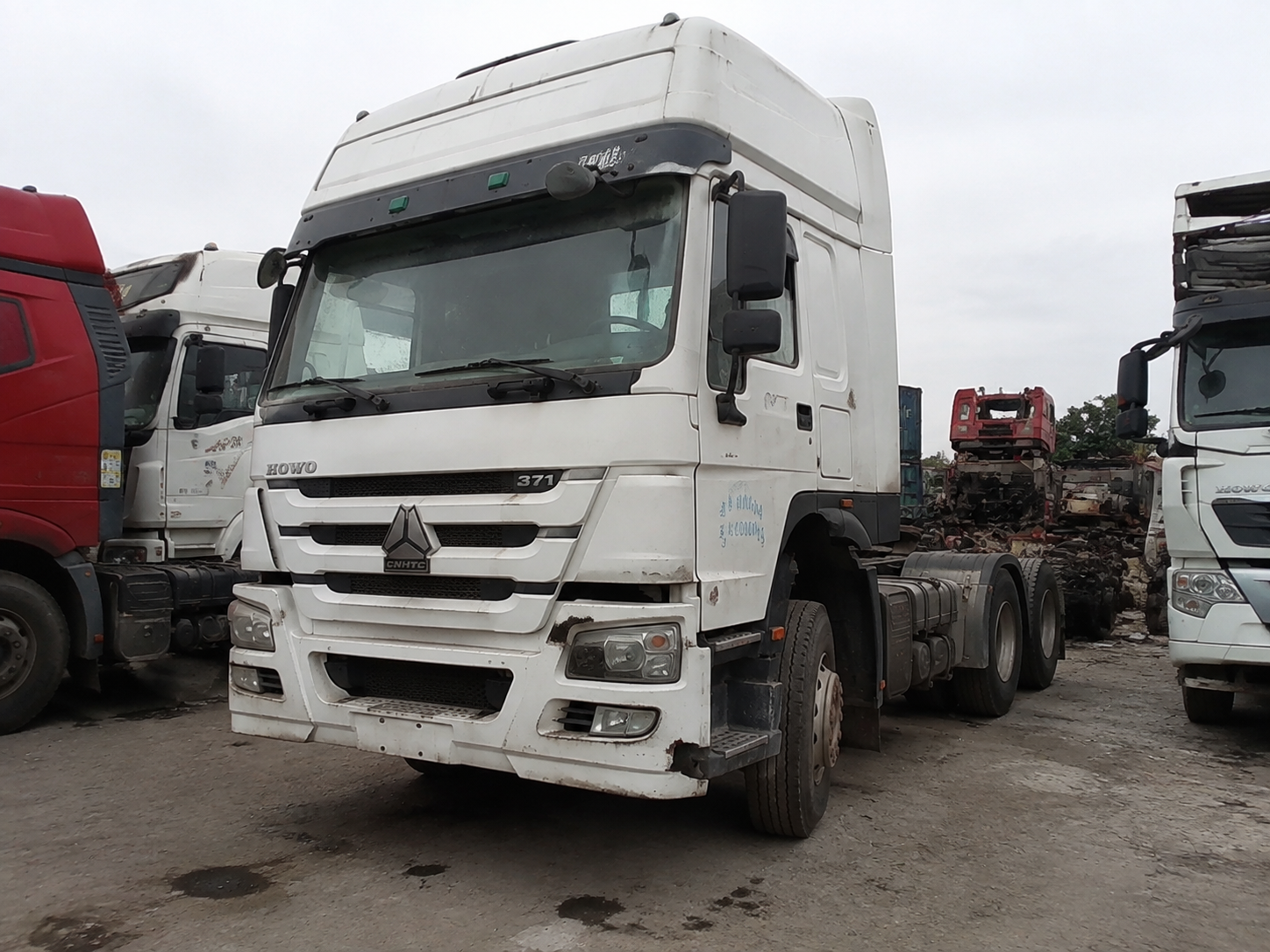
Experienced fleet operators consider the following costs before purchasing:
| Cost Factor | Why It Matters |
|---|---|
| Pre-purchase inspection | Identifies expensive problems before payment |
| Transportation and shipping | International logistics can significantly affect total cost |
| Import duties and taxes | Regulations vary by destination country |
| Initial refurbishment | Some trucks require maintenance before entering service |
| Spare parts availability | Long waiting times increase downtime |
| Fuel efficiency | Directly impacts daily operating profit |
| Tire and brake condition | Common replacement costs after purchase |
| Local workshop capability | Determines repair speed and maintenance expenses |
A used semi-truck that requires immediate major repairs can quickly eliminate the savings from the lower purchase price.
For commercial buyers, the correct question is not:
"How much does this truck cost?"
The correct question is:
"How much will this truck cost me to operate during the next three to five years?"
The biggest risk in used truck purchasing is buying based on incomplete information.
Photos can show appearance. They cannot confirm engine condition, transmission health, or previous maintenance quality.
A professional buyer needs evidence before making a commitment.
A used semi-truck should never be purchased based only on pictures, seller descriptions, or a short startup video. Buyers should request inspection evidence that proves the vehicle’s actual operating condition.
Before purchasing a used semi-truck, request:
| Inspection Evidence | What It Helps Verify |
|---|---|
| Cold-start video | Engine starting performance and smoke condition |
| Continuous running test | Idle stability and abnormal operating noise |
| Engine inspection report | Possible internal wear problems |
| Transmission test | Gear shifting performance |
| Chassis inspection photos | Frame condition and previous repairs |
| Brake system inspection | Safety and remaining service life |
| Maintenance records | Previous ownership care |
A cold-start video is especially valuable because many engine problems are easier to identify when the engine is completely cold.
For example:
These signs do not replace professional diagnosis, but they help buyers identify whether further inspection is necessary.
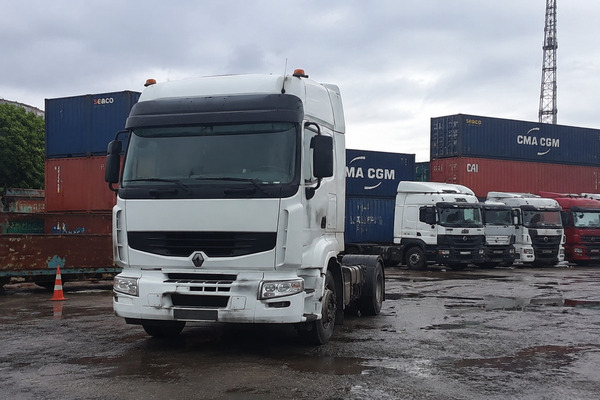
For many international buyers, importing a used semi-truck can provide access to better prices, more available inventory, and specific configurations that may not exist locally.
However, international purchasing introduces additional risks.
A truck that is profitable in one country may become difficult to operate in another because of different regulations, fuel conditions, repair networks, or import requirements.
Importing a used semi-truck is worth considering only when buyers confirm local regulations, documentation requirements, and long-term maintenance support before purchase. A mechanically excellent truck is still a poor investment if it cannot be registered or economically operated in the destination market.
Before making payment, verify:
Import regulations: Some countries limit vehicle age, emissions levels, or specific configurations. Import requirements vary depending on the destination country and vehicle type.[^1]
Emission standards: Older engines may not meet local requirements. Many markets require imported vehicles to comply with specific emissions standards before registration.[^2]
Vehicle documentation: Engine numbers, chassis numbers, ownership documents, and export paperwork must match.
Steering configuration: Left-hand-drive and right-hand-drive requirements differ by market.
Parts availability: A truck that has no local support network may create long-term operational problems.
Always confirm requirements with local customs agents or freight professionals before purchasing.
Regulations change frequently. A truck that could be imported last year may not meet current requirements.
The supplier you choose can be just as important as the truck itself.
A professional supplier does not simply provide vehicles. They help buyers reduce uncertainty by providing inspection information, technical advice, and export support.
Many problems in international truck purchasing happen because buyers receive limited information before payment and discover unexpected issues after delivery.
A reliable used semi-truck supplier should provide transparent inspections, realistic condition assessments, clear documentation, and support throughout the purchasing process. A supplier who avoids detailed questions or refuses inspection requests creates unnecessary risk.
Look for suppliers who provide:
A trustworthy supplier understands that a successful transaction is not only about selling one truck.
It is about helping the customer operate that truck successfully after delivery.
Yes, buying a used semi-truck can be a profitable decision when the vehicle is properly inspected, suitable for the operating environment, and supported by reliable maintenance resources.
The value comes from productive service life, not simply from a low purchase price.
There is no fixed answer. Service life depends on brand, operating conditions, maintenance quality, and repair support.
A well-maintained truck with regular servicing can continue operating effectively for many years after purchase.
There is no universal mileage limit.
A truck with higher mileage and complete maintenance history may be a better investment than a low-mileage truck with unknown background.
Mileage should always be evaluated together with mechanical condition.
It is possible, but the risk is significantly higher.
For international purchases or high-value units, buyers should request inspection reports, testing videos, and professional evaluation before shipment.
A small inspection cost can prevent thousands of dollars in unexpected repairs.
New trucks provide warranty protection and lower early repair risk.
Used trucks provide lower acquisition costs and faster fleet expansion.
The better option depends on your available capital, business goals, and operating environment.
Imported used semi-trucks can be reliable when purchased from experienced suppliers and properly inspected before shipment.
The key factors are not only the truck itself, but also parts availability, local technical support, and regulatory compliance.
Is it worth buying a used semi-truck?
For many fleet owners, transport companies, and international buyers, the answer is yes — but only when the purchase decision is based on evidence rather than price alone.
A profitable used semi-truck must pass three important tests:
The biggest mistake buyers make is choosing the cheapest available truck without understanding the future operating costs.
A low-cost truck with hidden failures can become a financial burden. A properly inspected used semi-truck can become a reliable business asset that generates revenue for years.
At Deli Auto, we evaluate used semi-trucks through professional inspection processes, technical checks, testing videos, refurbishment standards, and export preparation.
Our goal is not simply to sell trucks.
Our goal is to help customers purchase vehicles that continue creating value after delivery.
If you are sourcing used semi-trucks or truck spare parts for your fleet, contact Deli Auto to discuss your requirements.
Tell us your requirements — brand, horsepower, year and quantity — and we'll match the right option for you.